09 Oct 2026
Transport for Wales (TfW) and Network Rail join forces once again to protect rail infrastructure, with the Met Office forecasting an increased chance of wetter and windier than average conditions this autumn and winter.
The Met Office’s latest long-range outlook points to a greater likelihood of unsettled weather through late autumn and early winter, with El Niño among a number of global weather patterns that could influence conditions across the UK.
Periods of heavy rain can increase the risk of flooding, particularly after a hot, dry summer when hard ground can be less able to absorb sudden downpours, while stronger winds can bring down trees and other debris. Network Rail and TfW are preparing for these wider seasonal challenges alongside the more familiar impact of fallen leaves on the railway.
To help maintain punctual and reliable services, TfW is taking early action by introducing targeted, temporary autumn timetable changes on selected routes from Saturday 10 October to Friday 4 December 2026.
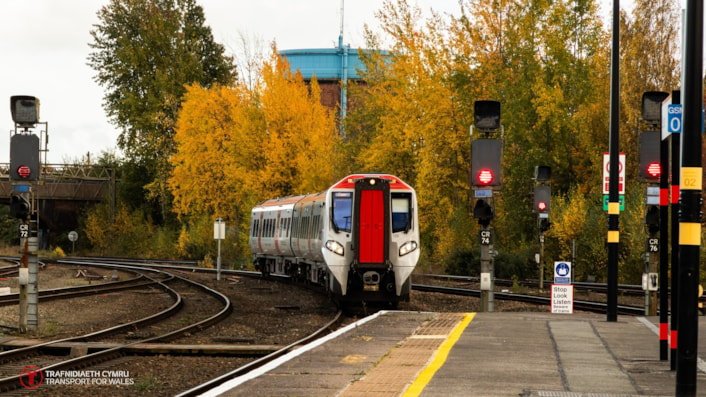
Passengers are encouraged to check before they travel as some services will depart a few minutes earlier than usual. These temporary autumn timetable changes saw significant improvements in punctuality last autumn, contributing to a 45% reduction in autumn related delays on the Wrexham to Bidston line and a 233% improvement on the Conwy Valley line.
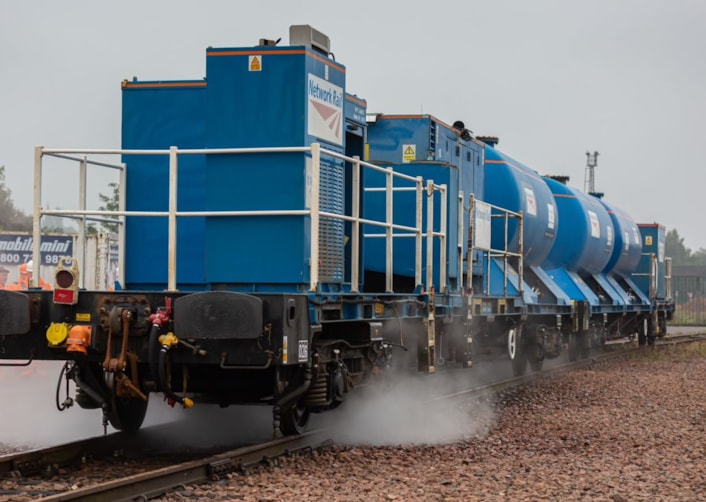
Alongside a proactively revised timetable, Network Rail Wales and Borders route is deploying four specialist treatment trains* that will treat more than 54,400 miles of track, across 224 circuits on key routes clearing leaf residue from the rails and helping trains run more reliably.
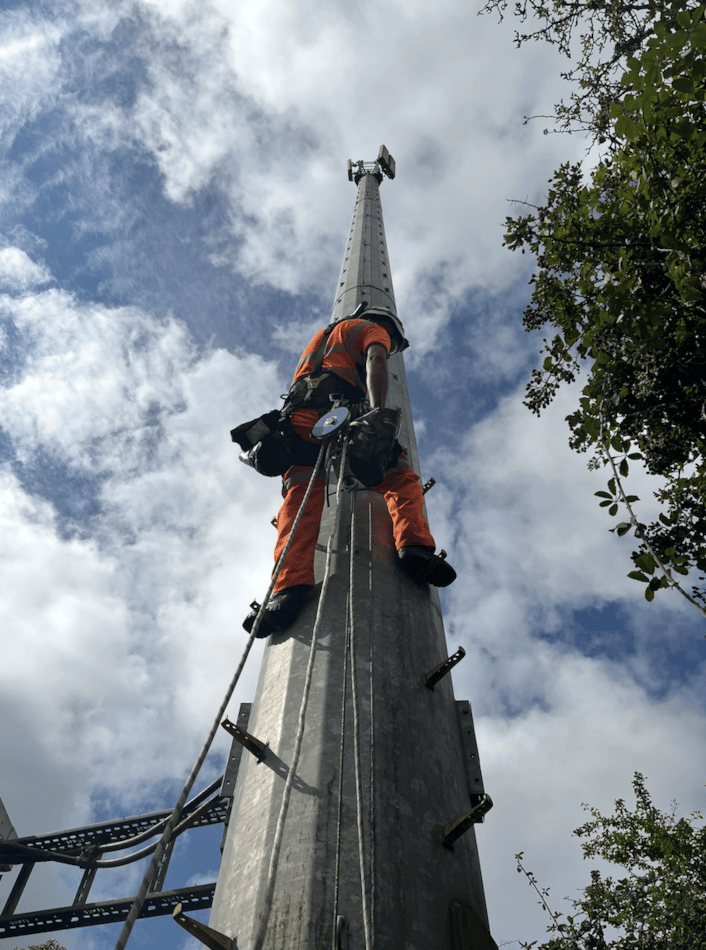
In addition, Network Rail has carried out targeted drainage upgrades at locations repeatedly affected by flooding and will have 10 dedicated Autumn Response Teams ready to respond to changing conditions. For the first time, 10 weather stations have also been installed across the Wales and Borders route, providing real-time local weather data to help teams respond earlier and reduce disruption for passengers.
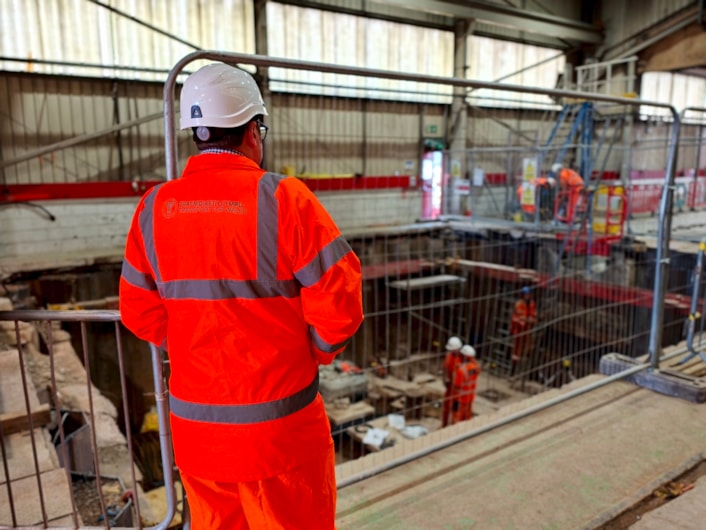
Alongside trackside measures, TfW is strengthening fleet resilience with a new wheel lathe at Canton depot. During leaf-fall season, compressed leaves can form a slippery layer on the rail, reducing grip and causing train wheels to slip. This can create flat spots on wheels, affecting the tracks and passenger comfort. Wheel lathes remove these flat spots by reprofiling the wheels, improving reliability, reducing the time trains spend out of service and delivering smoother journeys for customers.
The new facility forms part of a £2.5 million investment in Canton and follows the opening of a new wheel lathe at Holyhead earlier this year.
Colin Lea, Planning & Performance Director at Transport for Wales, said: "While these timetable changes are relatively minor, they play an important role in helping us deliver a more reliable and consistent service during the autumn months, when trains are most affected by leaf fall.
"This year, we've been able to include these changes in journey planners 12 weeks in advance, giving customers more notice so they can plan their journeys with confidence. We’ve also worked hard to minimise disruption to services, avoiding removing station stops which we know causes a lot of inconvenience for our customers”
"Alongside working closely with Network Rail, these measures help us reduce delays, improve reliability and keep customers moving safely throughout the autumn period."
Martin Taylor, Chief Infrastructure Officer for Network Rail Wales and Borders said: “By planning early, making use of the latest operational and weather intelligence, and working closely with industry partners, we can manage safety, risk, minimise disruption and keep services running reliably throughout the autumn period.
“We’re continually looking to improve our capabilities, making greater use of intelligence-led data and technology to support our decision-making. This helps us adapt to changing weather patterns and prepare for future challenges”.
Sarah Davies, Met Office Head of Environment and Energy added: "El Niño is one of several factors that can influence the UK's weather. While its impact on the UK is less direct than in some other parts of the world, it can increase the likelihood of wetter conditions during late autumn and early winter. However, it is only one of a number of large-scale atmospheric drivers that influence weather patterns in UK.
“The Met Office's latest long range outlook suggests an increased chance of wetter and windier than average conditions through late autumn and early winter. This broad signal is consistent with the influence we would typically expect from El Niño. Seasonal forecasts indicate the most likely weather patterns over a period of several months rather than predicting exactly when or where impacts may occur.
“With a greater likelihood of periods of unsettled weather at times, it is important that travellers, communities and businesses stay up to date with the latest forecasts and any weather warnings issued by the Met Office so they can make informed decisions and plan ahead should severe weather affect their area."
Transport for Wales and Network Rail encourage customers to plan ahead, check their journey and view the latest timetable information at tfw.wales or on the TfW app.
Notes to editors
Services on the following routes will be subject to temporary timetable changes from Saturday 10 October to Friday 4 December 2026:
- Wrexham to Bidston
- Conwy Valley
- Marches line (Shrewsbury to Newport)
- Shrewsbury to Birmingham
- Shrewsbury to Chester and Crewe
- Maesteg to Ebbw Vale
Service changes by route:
- Wrexham to Liverpool (Wrexham to Bidston line) – Majority of services will start and terminate at Wrexham General. 4 peak-time services will be protected when possible, allowing them to continue running through Central. No Rail Replacement Services will run between Wrexham General and Wrexham Central. Journeys along this route will be retimed by approximately 1-3 minutes, with connections preserved at Shotton.
- Maesteg line – Most services from Cardiff Central to Maesteg will depart Cardiff Central 1-2 minutes earlier. The 22:13 Ebbw Vale Town to Maesteg service will not run from Monday to Friday, to allow the Railhead Treatment Train to run on the Maesteg line. Customers are advised to travel on the 23:30 Cardiff Central to Carmarthen service to Bridgend, where a rail replacement bus will run to Maesteg.
- Llandudno Junction to Blaenau Ffestiniog (Conwy Valley line) – Minor retiming of services along the route, with journeys taking 2-3 minutes longer. Trains will leave Blaenau Ffestiniog slightly earlier.
- Shrewsbury to Newport (Marches) – Minor retiming of services along the route.
- Shrewsbury to Birmingham – Minor retiming of services between Shrewsbury and Wolverhampton, with some services leaving Shrewsbury slightly earlier.
- Shrewsbury to Chester and Crewe – minor retiming along the route.
Network Rail specialist trains use high-pressure water to remove leaf contamination and debris from the railhead and, at selected locations, apply an adhesion modifier to improve wheel-to-rail grip, while response teams provide rapid inspections, targeted treatments and swift intervention when needed.
A wheel lathe reshapes and repairs damage caused by seasonal wear and tear by machining several millimetres of steel off a train wheel, restoring its roundness, preventing damage to trains and tracks, keeping trains in service and maintaining track integrity.