

29 Sep 2026
This once-in-a-generation programme will deliver years’ worth of improvements during a four-week railway closure in January 2027.
More than £25m will be invested in the North Wales Coast railway in January 2027, as Network Rail delivers a major programme of improvements to boost reliability, capacity and safety on this vital passenger and freight route.
The once-in-a-generation programme will see engineers working at locations across the railway between Chester and Holyhead, renewing track and other infrastructure - some of which has been in place for more than 50 years.
To allow this huge package of work to be delivered safely and efficiently, the North Wales Coast line will close for four weeks from Saturday 9 January until Saturday 6 February 2027.
For the first three weeks, the railway will be closed between Chester and Holyhead, including the Conwy Valley line and Llandudno Junction to Llandudno. During the fourth week, the closure will reduce to between Llandudno Junction and Holyhead.
Rail replacement services will operate during the closure, with detailed travel arrangements expected to be confirmed in autumn 2026.
The investment builds on the introduction of the new North Wales timetable in May 2026, which delivered a 50% increase in Transport for Wales services - the biggest timetable improvement in North Wales for a generation.
With more trains now using the railway, the January closure will also allow Network Rail teams to carry out additional maintenance alongside the major renewals. Completing this large amount of complex work in one four-week programme will reduce the need for repeated weekend closures over the months and years ahead, minimising disruption for passengers, residents and local businesses.
Emma Osborn, Passenger Strategy Director at Network Rail Wales and Borders route, said: “This is a once-in-a-generation investment in the North Wales Coast railway and a huge opportunity to renew and improve infrastructure right across this vital route.
“Investment on this scale inevitably means some temporary disruption while we carry out the work, and we recognise closing the railway will have an impact on customers and communities.
“But by bringing years’ worth of complex work together into one intensive programme, we can deliver it more safely and efficiently, while avoiding a prolonged series of disruptive weekend closures.
“The long-term benefits for passengers and freight customers will far outweigh this temporary disruption, with a safer, more reliable railway that is better equipped to support the increased number of services now running across North Wales.
“We’re working closely with Transport for Wales and Avanti West Coast to keep passengers moving and we thank everyone in advance for their patience while we deliver this major investment.”
Colin Lea, Planning & Performance Director for Transport for Wales said: "As we see passenger numbers and service frequencies across North Wales grow, working alongside our partners at Network Rail is essential to ensure our infrastructure can support that demand.
"Essential track maintenance, tunnel drainage, and new accessible footbridges will help deliver a more reliable service and better stations for the communities we serve.
"We know railway closures are disruptive to our passengers, and we appreciate their patience. We remain committed to keeping North Wales moving throughout January, and full details on alternative travel arrangements will be shared this Autumn.”
Chris Liptrot, Operations Director at Avanti West Coast, said: “While Network Rail carries out these improvements, there will be changes to services on our North Wales route.
“We are working closely with Network Rail and our industry partners to ensure customers are kept informed about how their journeys may be affected. Once the timetable has been confirmed, customers planning to travel during this period are advised to check the Avanti West Coast and National Rail Enquiries websites for the latest travel information.”
Notes to editors
- Network Rail has worked with its engineering teams to reduce the closure between Chester and Llandudno Junction from four weeks to three, and is continuing to work with its industry partners to reduce the impact of disruption for passengers and communities.
The £25m investment includes:
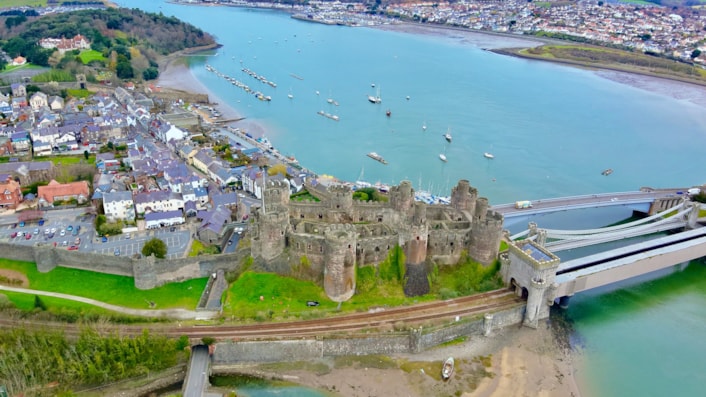
- Renewing track through the Grade I-listed Conwy Tubular Railway Bridge, where the existing track dates back to 1978.
- Major track and drainage improvements in Bodorgan Tunnel, replacing infrastructure dating back to 1972 and helping reduce the risk of flooding.
- Track renewal and ground improvements at Penmaenbach, where sections of track were last renewed in 1986.
- Track and points improvements at Holyhead and Llandudno.
- Platform improvements at Llandudno Junction.
- Work at four level crossings, east of Bangor.
- Around £1.4m of vegetation management across nine locations, alongside extensive maintenance throughout the route.
- Two new fully accessible footbridges at Prestatyn and Abergele, supporting the closure of four high-risk level crossings.
- The work will be delivered by rail using 22 engineering trains and specialist on-track machinery, bringing in more than 3,000 concrete sleepers and 9,000 tonnes of ballast, while around 9,800 tonnes of spoil will be removed for recycling and reuse on future railway projects.
- This work forms part of the wider investment in transport across North Wales, alongside new trains, buses and fleet improvements, helping create a better-connected network for communities, businesses and visitors.
- January has been chosen for the work as it is traditionally a quieter period for tourism in North Wales, with many holiday parks and attractions closed for the season, helping to reduce the impact on passengers and local businesses.
- Detailed timetables for travel dates in January and February will be made available in journey planners between late October and early November. Passengers are advised to check their journeys before travelling once the amended timetables are published.
